


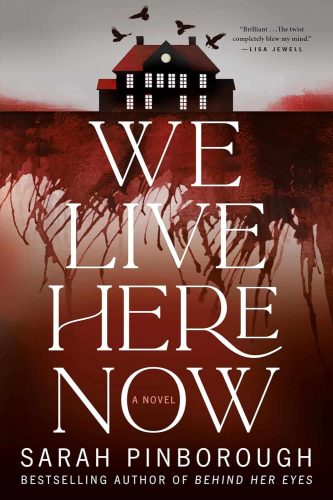
 “We all present an illusion to someone who we want to love us.”
Author: Sarah Pinborough
One moment, they were hiking and arguing together, an idyllic weekend with friends ruined. The next moment she was gone, over the edge. And now everyone wonders – did he push her? Sometimes, he even wonders himself.
Healing from broken bones and a near-fatal sepsis Emily is convalescing in what Freddy, her husband, thinks is her dream house. She’d been looking at this traditionally creepy, isolated mansion just before her accident. While she was in the hospital, Freddy sold the city flat and purchased this old mansion. The perfect place to recover. The perfect gift of atonement.
The only thing is, Emily doesn’t actually like the house. Something seems off about it. Dead birds in old rooms. Books that fall and spell out dire warnings. Creaking floorboards. And Freddy, he still must go into the city, leaving Emily alone in the house. Alone with her thoughts and fears. That’s when she starts to see things. Words written in the mist of a shower. Warnings everywhere.
You Will Die Here.
We Live Here Now is a slow burn, a story of inner haunting and toxic relationships, of failed marriages hidden behind quite evenings, of friends with secrets, of dark birds circling in the skies, of the worst in us all coming to life in the stillness of isolation. While the story is horror, of the haunted house variety, it’s hard to really nail down. Pinborough has created something here that is uniquely its own, and just as you feel that you have solved the haunting, just as you are sure that you know exactly what is going bump in the night, the narrative takes a darker, more intimate, more personal turn.
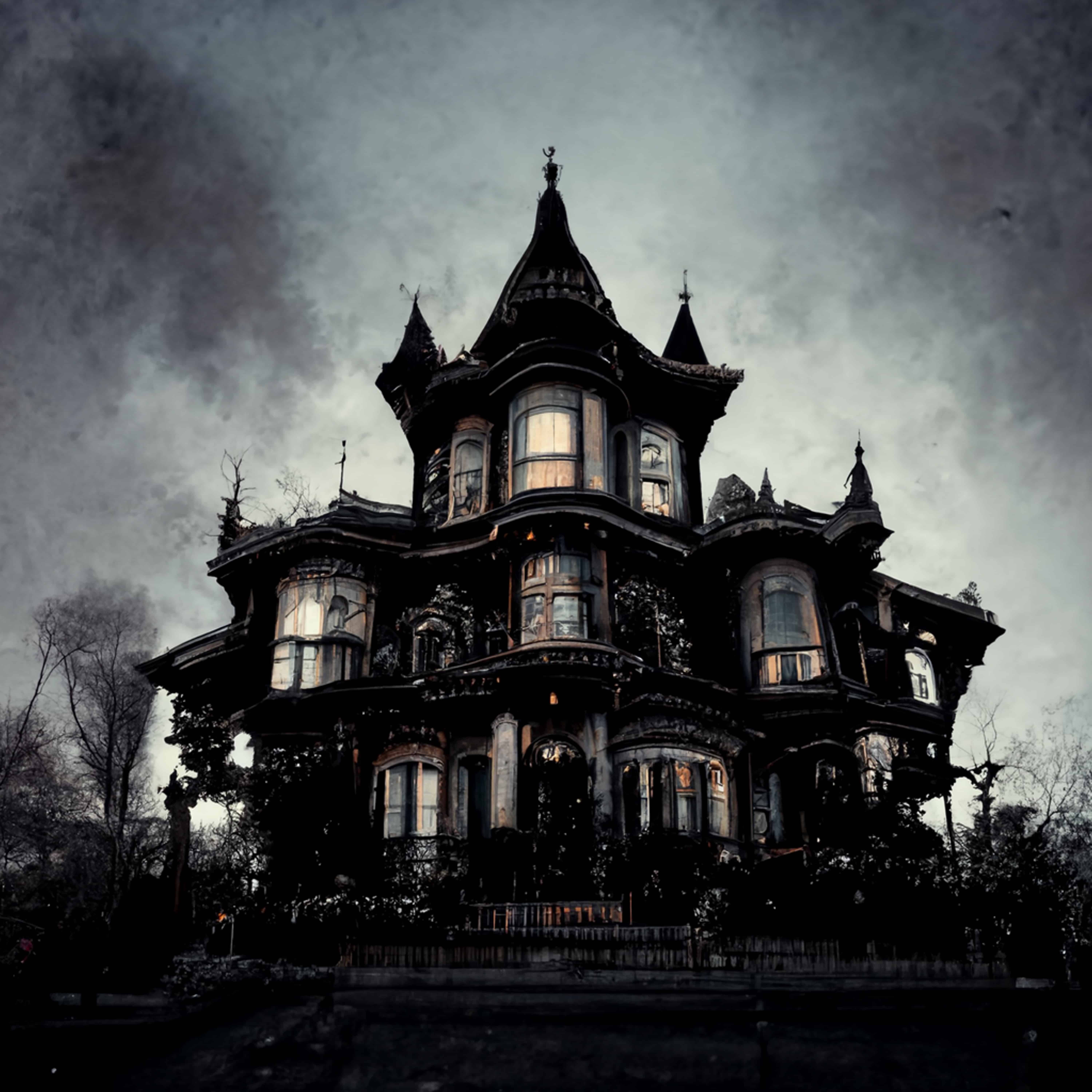
Image by Dipak Patel from Pixabay
Normally, I’m not a fan of toxic, unlikable characters, and this book is full of them. Only the local artist, with his weed, orgies, and understanding wife, seems happy and ultimately honest. Everyone else is holding up a mask, saying one thing and doing another. All the characters, but especially Emily and Freddy, have their own agendas. They are all willing to backstab, and as the tale unravels, we learn just how far they are willing to go. You won’t like anyone here, although you will, at times, empathize with Emily. You will, uncomfortably, understand everyone here and be unable to let the page settle. Only the lone crow that haunts the eves and looks for his dead mate is truly innocent in this sordid little story of the heart, and his aerial views and narration are used to lyrical effect to mirror what is happening to the humans in the house below him.
The only imperfection in an otherwise haunting tale is the pacing. We Live Here Now is all about the atmosphere and about highlighting the dysfunction of the characters, their almost-loathing for one another, and their selfishness. This gets tiring at the half-way mark, as the haunting is subtle. The worst we see is a message on a mirror or a covey of strategically fallen books. This isn’t a flashy story with poltergeists phasing through walls and demons possessing erstwhile homeowners. Instead, the house lurks in the background, a catalyst for the real drama. This does make the story more interesting in the end, as we start to get answers, but in the middle, we get a little tired of the characters dancing around each other, and we start to long for the haunting to escalate to something more cinematic.
It’s worth the wait though, because what Pinborough has in mind is more than flash and glam. What she reveals is terrifying in a realistic way. It makes us think and shiver, and gives us that half hilarious, half morbidly dark conclusion that lingers long after the last page has shivered back in place. In the end, We Live Here Now is the ultimate story of a haunted, toxic marriage set against the backdrop of a looming house filled with secrets. Highly recommended.
– Frances Carden
Follow my reviews on Twitter at: https://twitter.com/xombie_mistress
Follow my reviews on Facebook at: https://www.facebook.com/FrancesReviews

- Book Vs Movie: The Shining - April 6, 2020
- Thankful For Great Cozy Mysteries - December 13, 2019
- Cozy Mysteries for a Perfect Fall - October 20, 2019