

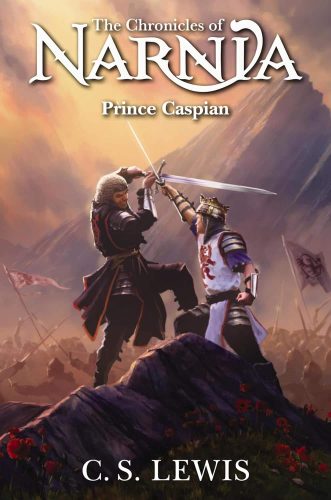
 “If you had felt yourself sufficient, it would have been proof that you were not.”
Author: C.S. Lewis
I’m finally doing it – reading in my late 30s what everyone else read in their childhood: the Chronicles of Narnia series. I just finished the second (or fourth, depending on the order you prefer to read them in) book in the series: Prince Caspian.
In Prince Caspian Lucy, Edmund, Susan, and Peter are ushered back to Narnia. One minute, they’re sitting in a train station, waiting to go off for another school year. Narnia is a distant memory. Perhaps something that was more imagination than fact, but suddenly, they are pulled across time and dimension, and they are once again in the beloved land. Only this time, it is in ruins, abandoned and sad. Some even say that it is haunted. Aslan is not here anymore, and the Telmarines (humans) have taken over the place, banishing the magical creatures of yore. Are the Pevensie children back to restore Narnia? They aren’t sure, and as they venture through a landscape now changed by the passage of hundreds of years and the erosion of faith and humanity, they start to piece together answers.
Meanwhile, the evil ruler of the land, Miraz, has determined to kill his nephew, the rightful heir, Prince Caspian. But Caspian has been warned by those who still remember how things really are: who have told him in secret about the talking animals, about the former magic of the land, about Aslan. Caspian escapes just in time, and before long he and his forces, which include a talking badger (Trufflehunter) and two dwarfs (Nikabrik and Trumpkin), encounter the Pevensies. The true battle, however, has only just begun.
Now, Prince Caspian is not going to touch the magic and wonder of the first book, which had a talking faun AND an evil witch who handed out sweets, but it’s still a stolid offering in the series. Our children are older now. They have learned from their first adventure, especially Edmund, but they still have more to learn. They must learn the consequences of doubt, of following their own plans over those of Aslan’s, of questioning their faith. They also have to learn their new place in this world. They are not here as rulers this time, but as part of Aslan’s design to save the realm and establish a new king.
Meanwhile, the narrative truly soars with Caspian’s small contingent. Trufflehunter teaches us about stolid wisdom in the face of adversity. He was there, he saw the old magic, and despite the desperate appearance of the situation, remains true to the truth. He teaches us about loyalty. About faith through better and worse. About hope. About doing what is right, no matter what everyone else says and thinks.
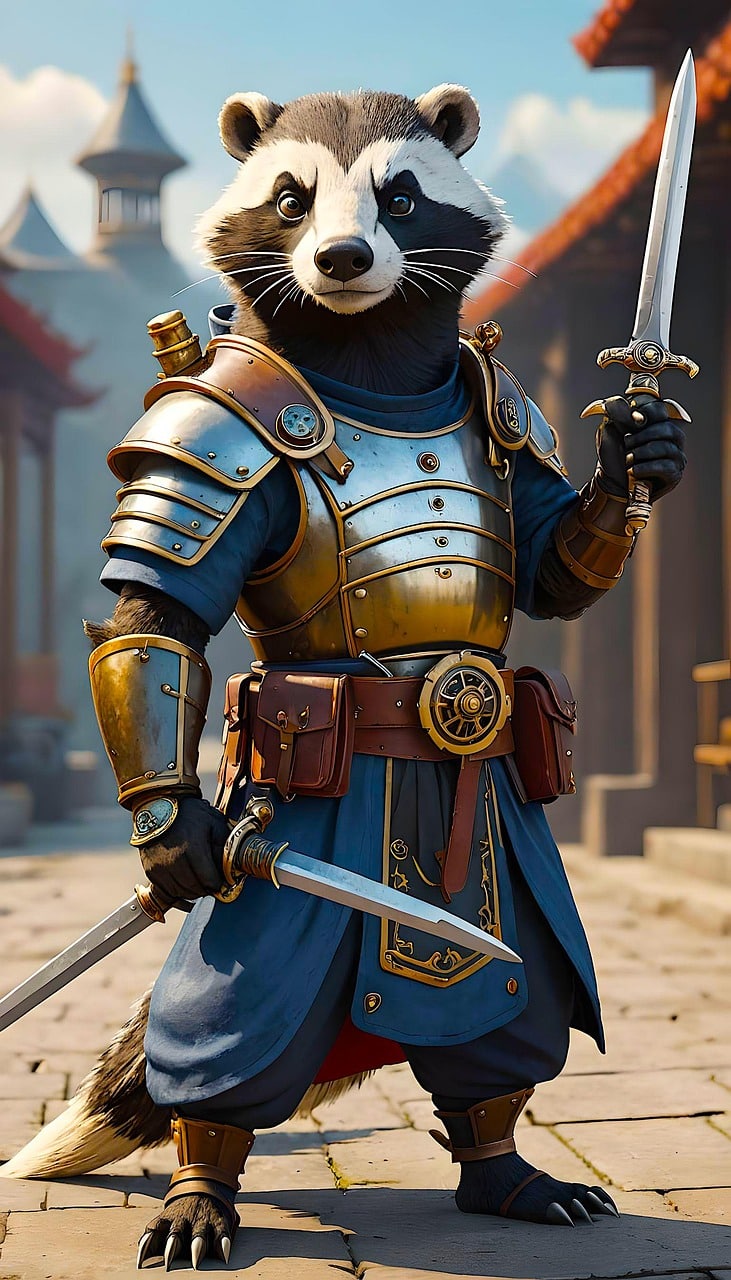
Image by Jim Cramer from Pixabay
Trumpkin, the redheaded dwarf, is a Lewis-like character, on the other hand. He claims to be pragmatic, but he ultimately understands the power of obedience. He doesn’t believe in Aslan. Indeed, he thinks most of Caspian’s hopeful plans, based on prophecy and promise, are attempts to chase ephemeral dreams. Yet, he is still attracted to the goodness of myth, although he doubts its veracity, and in the end, he does what is asked out of obedience and not belief. This leads him on a journey to eventually finding Aslan, mirroring Lewis’ own journey which began with stalwart denial and ended in a belief that has changed the lives of thousands, if not millions.
Finally, there is Nikabrik, the evil dwarf. Nikabrik thinks Aslan is just as good as the White Witch, and vice versa. He is in it for himself. Unlike Trumpkin, he has no problem believing in both Aslana and the Witch; he cares little about what is true. He wants only what is expedient, what is good for him. If that means that he makes a pact with ogres and witches and werewolves, so be it. He is the foil, the grand villain of this piece, and also a resonate, harsh warning.
As the story evolves, we have the usual near misses, the despair and elation, the hope and fear. We have the good characters sacrificing themselves and the bad characters doing everything to save themselves. Our good characters are fierce but kind. No weakness is praised here, yet the necessity of war and violence is no excuse to depart from compassion and kindness – a theme that appears repeatedly throughout this series.
We end with further compassion for those who tried to destroy both Narnia and our characters. While Aslan is less present on page here, his lessons, embedded in the Pevensies and learned by Trumpkin, resonate throughout the piece. What we end up with, then, is an epic with a soul: a good story that also has deep meaning. You can just enjoy it for the talking animals and the action, or you can go further in, further up. Each new reading will reveal something further, something subtle and yet profound, making Prince Caspian easily worthy of the classic title.
– Frances Carden
Follow my reviews on Twitter at: https://twitter.com/xombie_mistress
Follow my reviews on Facebook at: https://www.facebook.com/FrancesReviews

- Book Vs Movie: The Shining - April 6, 2020
- Thankful For Great Cozy Mysteries - December 13, 2019
- Cozy Mysteries for a Perfect Fall - October 20, 2019