

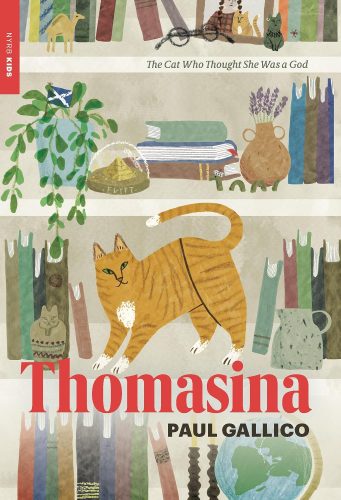
“In the end, you will help yourself. You will not find, you will be found, for that is the way it has always been.”
Author: Paul Gallico
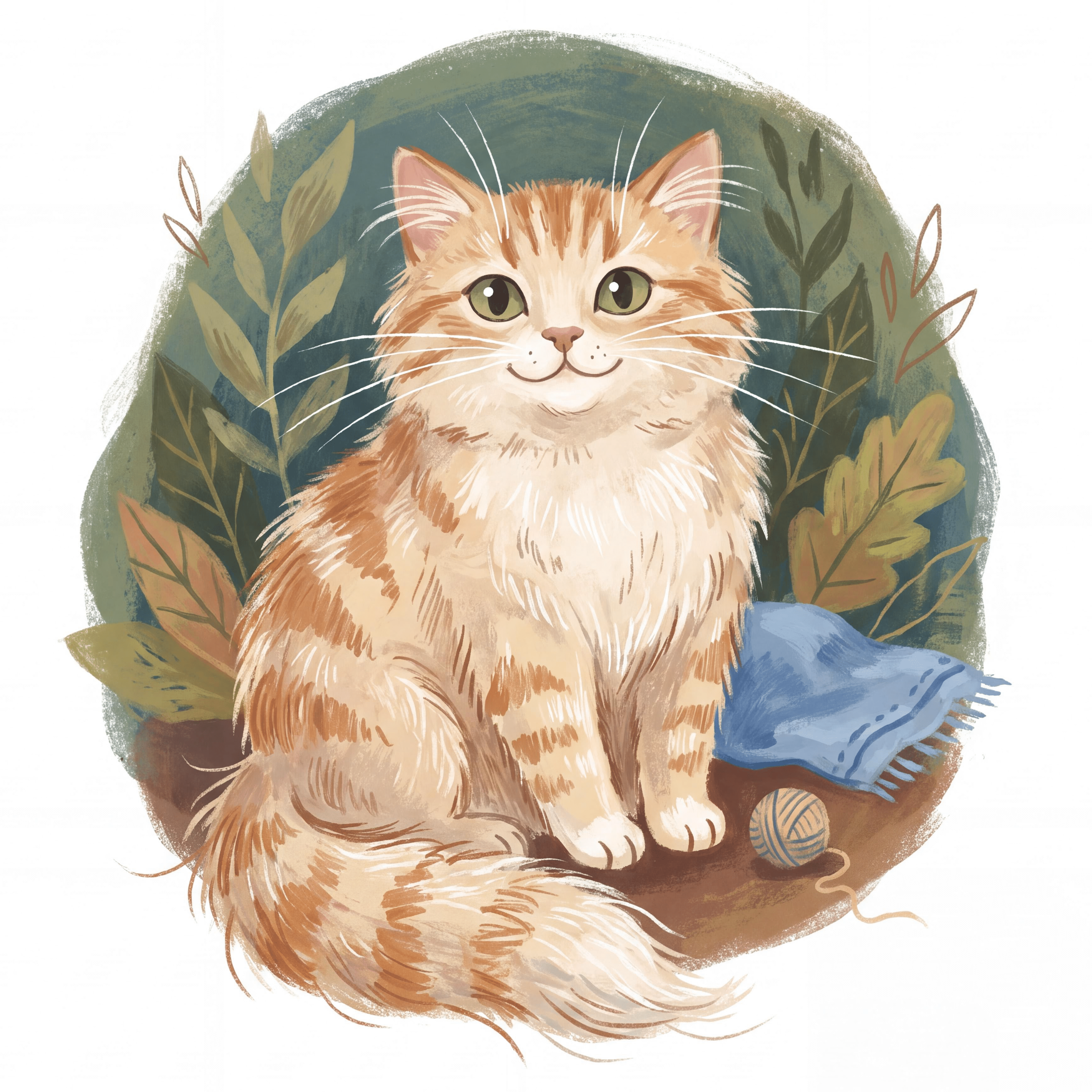
Mary Ruadh has been touched by tragedy, but she was far too young to remember her mother’s death or understand that it caused her father’s almost cloying devotion. She’s seven, and she is happy. She is followed by her ginger cat, the adoring and adored Thomasina, and all is right in this little Scottish town.
But then, Thomasina gets sick, and Mary’s father, Andrew MacDhui, the local veterinarian, puts her beloved pet down without trying to save her. That’s when Mary starts to truly see her father. That’s when an idol topples and when the simple happiness of youth is irrevocably shattered. Mary won’t speak to her father, won’t engage, and the two are at a stalemate when a deadly disease threatens to take Mary and leave her father forever abandoned.
Meanwhile, a cat that looks and acts a lot like Thomasina has popped up in the woods, living with Lori, a strange woman who lives outside society and communes with animals. Some call her a witch. She isn’t normal, after all, but perhaps her powers are less mystical and more born of empathy?
Is Thomasina really gone? Is she back, in some way, and looking for revenge? Can a bitter man reclaim the love of his daughter and his hope in life?
Thomasina is a surprising book. I’d never heard of it before, although I recall reading Gallico’s Poseidon Adventure – a markedly different kind of book. Whereas Poseidon Adventure came across as thought it had been written by the pre-transformed vet – full of bitterness and an antipathy towards God, Thomasina is ultimately a story of love, compassion, and faith.
It is not, however, a child’s book, as it is billed. Some parts are written by the sardonic, lovable, pompous Thomasina, but the topics covered are distinctly adult. It’s evident early on when Thomasina casually mentions having all her kittens drowned, something that haunted me, that this story isn’t all coziness. Oddly, the author never even addresses the drowned kittens, the cruelty of an un-spayed cat’s life, and the casual murderousness of humans. I guess this was just a normal thing of the times, but it disturbed me deeply.
It gets worse from there. Andrew hates being a vet. He ultimately hates animals and isn’t that keen on people. His wife dying left a hole in his heart, but we sense that he was embittered even before that. He wanted to be a doctor – a man who mattered, who addressed and cured human suffering. Andrew’s own overpowering father would not allow this, and so we have the story of a man in a career he didn’t want, who sees no worth in it, and finds joy only in his daughter. A girl he jealously guards. He is even jealous of her affection towards her cat – a resentment that borders on hatred and directly leads to his caviler murder of Mary’s beloved pet.
Andrew’s wrath is expressed with his one and only friend, the benevolent minister of the town, who tries to present the beauties of faith and trust to the raging vet; it’s of no avail, and Thomasina’s death and disposal (thrown onto a heap of other animal bodies behind the vet clinic) is NOT for the faint of heart and definitely not for children.
From there, we have a determined Mary finding and stealing the body and a tragic funeral that involves the town’s children. My heart was so heavy, and it was all I could do to not cry, reading about the poor little cat in its grave and about the little girl who is holding its still corpse. I almost didn’t finish. Animal cruelty and books where “the dog dies” are things I cannot stand. But I’d heard good things about this book from someone I trusted, so I soldiered on. And it was worth it.
After the grief, there is the blossoming of hope and faith and love, but that is only wrought through more grief. Andrew, a character we hate by this point, faces the consequences of his own actions and the fact that his child isn’t his to own, but a living, breathing human. As Mary brings her father to his knees, only to then transition into her own death bed, the drama escalates and Lori enters, this otherworldly figure. She, of course, does what the minister cannot, and through her, Andrew comes to his own realization, far too late.
It’s all quite tearjerking and melodramatic, but in a good way. It’s just what we wanted, what we needed. The kind of book that has us crying one moment, thinking about the meaning of life and love in another moment, longing for the grand accomplishment of love and just WANTING something bad enough, and the enduring affection of animals and how humans and animals can have such a deep, untouchable relationship. Everything comes to a head, some questions are answered (although we still have some mystery – like the entire Egyptian goddess subplot), and we get an ending that heals our hearts, which have been battered and broken and repaired again and again as Gallico wove this story.
Thomasina, despite its hopeful message, is a rough book in many ways, not willing to shy away from the horrors of life. But in those horrors it embraces faith and finds miracles. It’s hard to read (and not for sensitive children!) but it is worth it. It’s a beautiful book that will stay with you, and you’ll never look at a ginger cat in quite the same way. Highly recommended.
– Frances Carden
Follow my reviews on Twitter at: https://twitter.com/xombie_mistress
Follow my reviews on Facebook at: https://www.facebook.com/FrancesReviews

- Book Vs Movie: The Shining - April 6, 2020
- Thankful For Great Cozy Mysteries - December 13, 2019
- Cozy Mysteries for a Perfect Fall - October 20, 2019